
Why Climate Change is Personal for the Clothes We Love ?
When we talk about global warming, the conversation usually revolves around melting ice caps, carbon metrics, and power grids. It can feel massive, abstract, and honestly, a little exhausting. But the reality of climate change isn’t just in the atmosphere; it’s hanging in our closets.
When you pull on a heavy-weight steel grey hoodie, lace up your shoes, or button up a trusted pair of sand brown cargo pants, you are interacting with agriculture, human labor, and the global climate.
Here is a look at how the changing climate is reshaping the way our clothes are made—not from a corporate, algorithmic perspective, but from a human one.
1. The Soul of the Garment is Shifting
We rarely think of our clothes as agricultural products, but the foundation of our favorite pieces is entirely reliant on the weather.
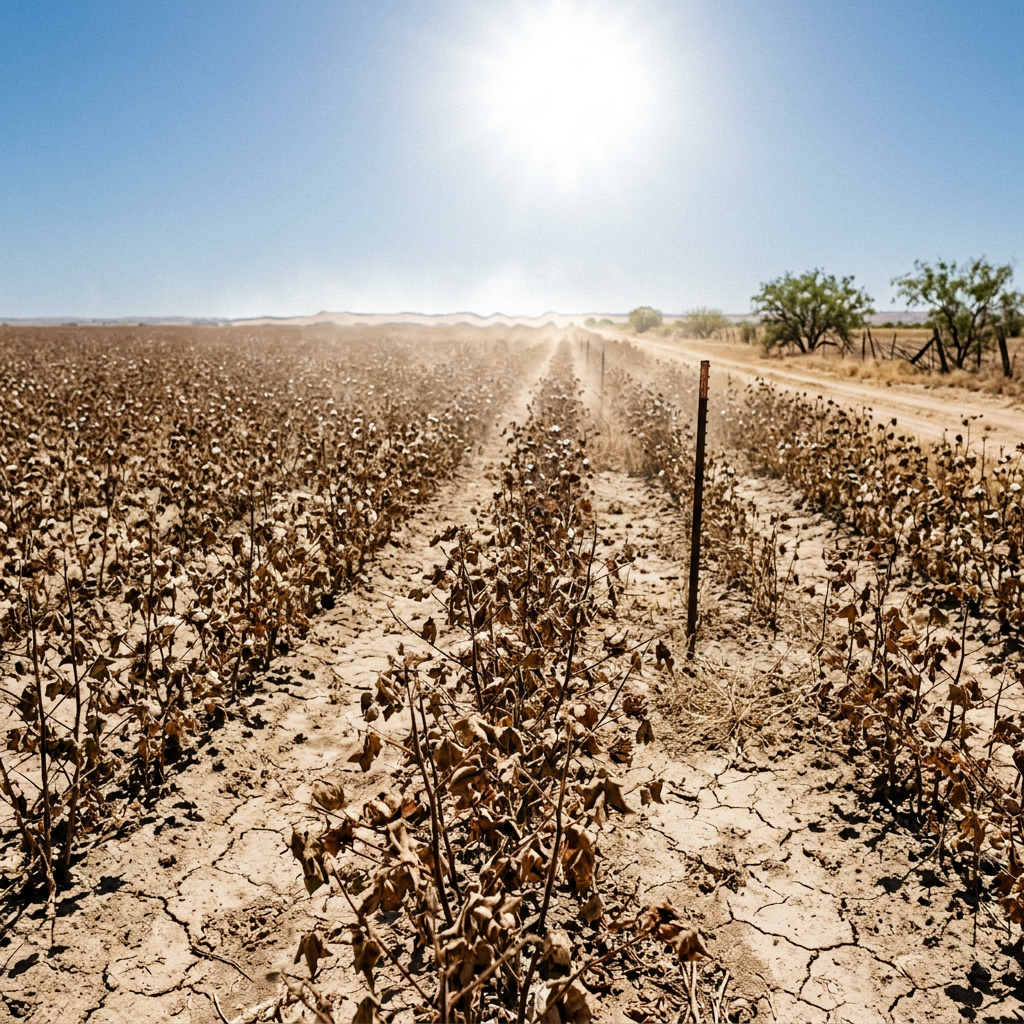
Consider cotton. It is the lifeblood of comfortable, durable clothing. But cotton is incredibly sensitive to climate shifts. Here in India, where so much of the world’s textiles are rooted, erratic monsoons and prolonged dry spells are making it incredibly difficult for farmers to grow high-quality crops. When the rains don’t come, or when the heat becomes unbearable, the yields drop.
This isn’t just a supply chain issue; it’s a livelihood issue for the farming communities at the very beginning of the journey. And down the line, it makes crafting that perfect, thick sweatshirt much harder and more expensive to sustain.
2. The Human Toll on the Factory Floor
The most urgent conversation we need to have about climate change and clothing is about the people who actually make it. Clothes are not spawned by machines; they are cut, stitched, and dyed by human hands.
As temperatures rise, the conditions inside manufacturing hubs are becoming a critical concern. Imagine sitting at a sewing machine in Uttar Pradesh during the peak of a summer heatwave, especially in facilities that lack proper cooling or have heat-trapping roofs. The severe heat stress workers are facing is profound. True sustainability in fashion isn’t just about using organic dyes; it is fundamentally about ensuring that the people who craft our clothes are working in safe, humane, and comfortable conditions as the world warms.
3. The End of Disposable Culture
For the last couple of decades, the fashion industry has been stuck in a frantic loop: make it cheap, wear it twice, throw it away. This “fast fashion” model is incredibly resource-heavy, draining local water supplies for dyeing processes and churning out immense waste.
But as the environmental limits of that model become impossible to ignore, there is a beautiful, necessary shift happening. We are remembering the value of making things that last.
The antidote to a disposable culture is intentionality. It is about creating—and buying—garments that are meant to live a long life. A well-constructed pair of straight fit denim is inherently better for the planet than a trendy, flimsy synthetic piece simply because it endures. It stays in your rotation for years, weathering beautifully with age, rather than ending up in a landfill at the end of the season.
Moving Forward, Together
The textile industry’s relationship with the climate is incredibly complex, but the path forward doesn’t have to be overwhelming.
It starts with slowing down. It starts with brands taking responsibility for the footprint of their supply chains and prioritizing the dignity of the workers who stitch every seam. And as people who wear clothes, it starts with treating our garments as investments rather than disposable commodities.
We can’t fix the global climate crisis overnight, but we can definitely change the way we value the clothes on our backs.