Mastering the Art of Position Play
In the world of poker, understanding and exploiting your position at the table is a fundamental strategy that can significantly enhance your winning potential. Acting last in a betting round, known as “in position,” grants you a substantial informational advantage. You get to see how your opponents react to the flop, turn, and river before you make your own decision, allowing for more informed plays, bluffs, and value bets, and you can read more about this topic here read more about related discussions.
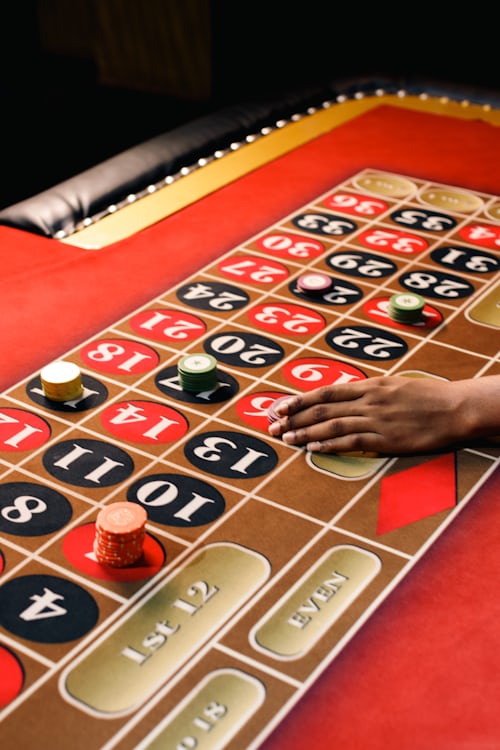
Developing a keen awareness of positional dynamics means adjusting your starting hand selection based on where you are seated. Early positions require tighter ranges, focusing on premium hands, while later positions allow for a more aggressive and wider range of playable hands. This adaptability, driven by position, is a cornerstone of successful poker, enabling players to maximize their gains when strong and minimize losses when weak, a principle central to any effective gambling approach.
The Power of Pot Odds and Implied Odds
A critical element of strategic poker play involves a deep understanding of pot odds and implied odds. Pot odds refer to the ratio of the current size of the pot to the cost of a contemplated call. By calculating this, you can determine if calling a bet is mathematically profitable based on the likelihood of completing your hand. This quantitative approach removes emotion from decisions, a crucial aspect for consistent gambling success.
Implied odds, on the other hand, consider potential future winnings if you make your hand. This involves estimating how much more money you might win on subsequent betting rounds if you hit your draw. Strong implied odds can justify calling with weaker pot odds, especially when playing against opponents who are likely to pay you off if you improve. Mastering these odds allows players to make more profitable long-term decisions, directly impacting their overall gambling edge.
Bluffing Effectively: When and How
Bluffing is an integral, yet often misunderstood, component of poker strategy. Effective bluffing isn’t about random aggression; it’s about calculated deception. The success of a bluff hinges on several factors: your table image, your opponents’ tendencies, the board texture, and the story your betting action tells. A well-timed bluff can win you a pot you wouldn’t otherwise win, but a poorly executed one can be costly.
To bluff effectively, players must observe their opponents carefully. Are they tight and likely to fold to pressure? Or are they calling stations who rarely fold? The number of opponents in the hand also plays a crucial role; bluffing is generally more effective against fewer players. Furthermore, the narrative of the hand is paramount. Your betting should make sense in the context of the cards on the board and your perceived holdings, creating a believable scenario that persuades your opponents to fold, thereby enhancing your gambling advantage.
Adapting to Opponent Tendencies
A truly transformative poker strategy involves the ability to read and adapt to your opponents’ playing styles. Every player at the table has a unique set of tendencies, whether they are overly aggressive, passive, tight, or loose. Recognizing these patterns allows you to exploit their weaknesses and adjust your own play accordingly. For example, against a very passive player, you might bet more for value, knowing they are unlikely to raise.
Conversely, against an aggressive opponent prone to bluffing, you can employ a strategy of trapping them or calling down lighter with marginal hands, knowing they are likely to represent strength where they have none. This constant observation and adjustment is what separates amateur players from seasoned gamblers who consistently find an edge. It’s a dynamic process that requires focus and a willingness to deviate from a standard game plan to maximize profitability.

Brülosophy’s Community and Learning Environment
While Brülosophy is primarily focused on the nuanced world of beer and homebrewing, the underlying principles of its community can resonate with those looking to improve their gambling skills, particularly in strategic games like poker. The site emphasizes deep dives into techniques, experimental approaches, and fostering a collective knowledge base for enthusiasts. This mirrors the dedication required to master poker, where continuous learning and the exchange of ideas are vital.
Just as homebrewers experiment with new hop varieties or fermentation temperatures, poker players must continually refine their strategies, analyze their play, and learn from others. Brülosophy’s platform encourages sharing and discussion, much like poker forums or study groups where players dissect hands and discuss optimal lines. The pursuit of excellence in both brewing and poker requires a similar commitment to understanding complex systems, adapting to new information, and a passion for continuous improvement that can ultimately lead to success and a significant gambling edge.
Recent Comments